
Menu
Quick Links
Categories
Orthopedic

Causes of Knee Pain in Young Adults: 7 Common Reasons & Treatment

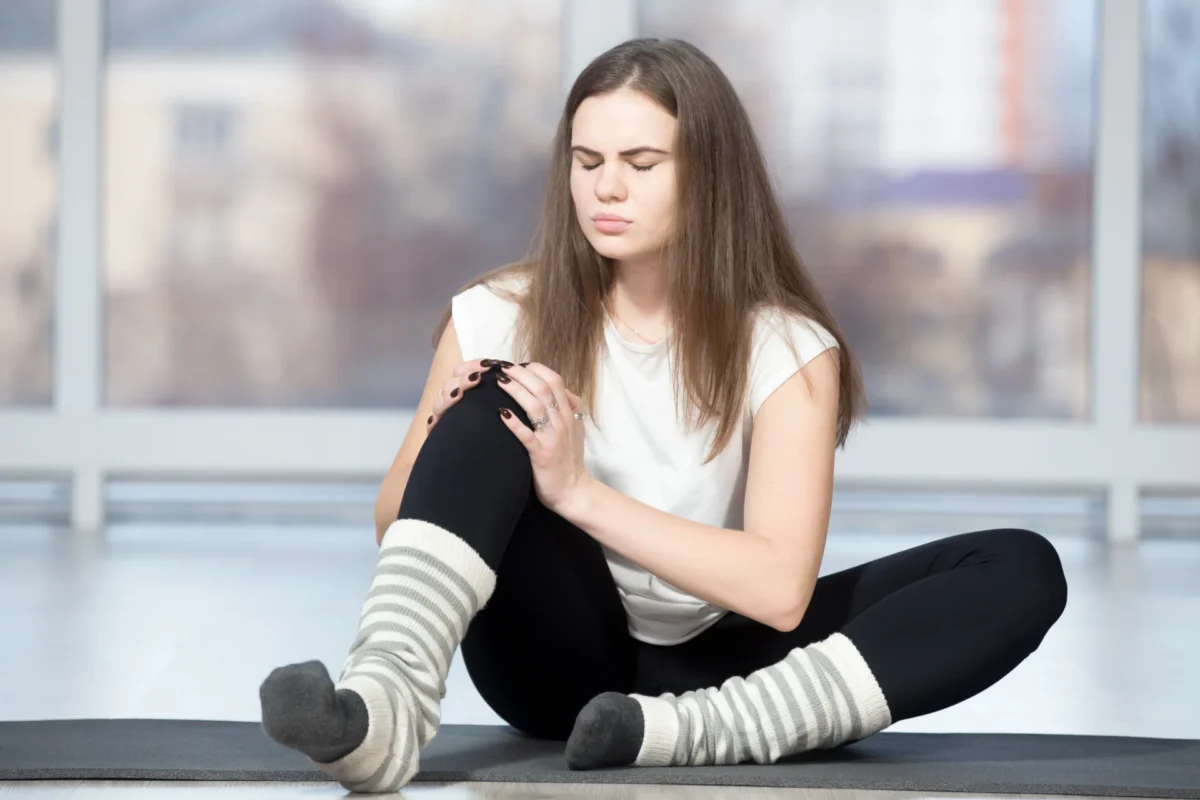
Knee pain is not limited to older adults. Many young people experience knee discomfort during exercise, after long periods of sitting, while climbing stairs, or even without an obvious injury.

The causes of knee pain in young adults can range from temporary overuse and muscle weakness to sports injuries, inflammation, and underlying joint conditions.

Understanding why your knee hurts is crucial because the right treatment depends on the underlying cause. While mild pain may improve with rest and activity changes, constant, recurrent, or severe pain should not be ignored.

Understanding Knee Pain in Young Adults

The knee is a complex, weight-bearing joint that experiences significant stress from sports, repetitive training, prolonged sitting, and sudden bursts of physical activity.

In young adults, these factors can contribute to overuse injuries, muscle imbalances, and other knee conditions that are different from the age-related arthritis commonly seen in older adults.

The good news is that most causes of knee pain in young adults are treatable, especially when diagnosed early. Constant or recurring pain should not be ignored, as timely evaluation can help prevent the problem from becoming more complicated.

Is Knee Pain in Young Adults Normal or a Sign of Something Serious?

Some knee discomfort after intense exercise is a normal physiological response. But knee pain that persists beyond a few days, recurs regularly, limits activity, or is accompanied by swelling, locking, or giving way is never simply something to push through.

Normal vs concerning knee pain in young adults:

Normal After Exercise See a Doctor
Mild aching 24-48 hours after a new activity Swelling that develops within hours of an incident
Mild soreness that fully resolves with rest Pain that wakes you from sleep
Stiffness after sitting that resolves within minutes A knee that locks, clicks loudly, or gives way
Temporary increase in discomfort after increasing training load Pain that has persisted for more than 4-6 weeks

7 Common Causes of Knee Pain in Young Adults

Cause 1 — Patellofemoral Pain Syndrome (Runner’s Knee)

Patellofemoral pain syndrome (PFPS) is the most common cause of knee pain in young adults — occurring when the kneecap does not track smoothly in its groove, creating friction and irritation on the cartilage underneath. It is an overuse condition driven by VMO weakness and tight lateral structures pulling the patella out of alignment.

Characteristic symptoms:

  • Dull aching pain around or behind the kneecap
  • Worse on stairs, squatting, running, and prolonged sitting (the “movie sign”)
  • Grinding or clicking under the kneecap
  • Typically no visible swelling

Most common in: Runners, cyclists, students who sit for long periods, and young women due to a wider hip-to-knee angle increasing lateral patellar pull.

Cause 2 — Anterior Cruciate Ligament (ACL) Injury

ACL injuries are among the most common acute sports injuries in young adults — typically caused by cutting, pivoting, jumping, or sudden deceleration in sports like football, basketball, and badminton. When the ACL tears partially or completely, it produces immediate severe pain, rapid swelling, and significant knee instability.

Characteristic symptoms:

  • A loud “pop” at the moment of injury
  • Immediate swelling within 2-6 hours
  • Knee gives way with turning or cutting movements
  • Inability to continue sport on the day of injury

Most common in: Athletes aged 15-30 in pivoting sports; women have a 2-3 times higher ACL injury rate due to anatomical and neuromuscular differences.

Cause 3 — Meniscus Tear

The menisci are C-shaped fibrocartilage pads that cushion and stabilise the knee. In young adults, tears most commonly result from a sudden twisting movement on a weight-bearing knee — a mechanism clearly identified by the patient, unlike the gradual degenerative tears seen in older adults.

Characteristic symptoms:

  • Pain on the inner or outer knee depending on which meniscus is torn
  • Swelling developing 24-48 hours after injury
  • Catching, locking, or clicking sensation within the knee
  • Difficulty fully straightening or bending the knee

Most common in: Sportspeople aged 15-35 and those who perform deep squatting regularly.

Cause 4 — Patellar Tendinopathy (Jumper’s Knee)

Patellar tendinopathy affects the tendon connecting the kneecap to the tibia — caused by repetitive loading that exceeds the tendon’s recovery capacity. It is most prevalent in sports requiring repeated jumping, explosive leg drive, and rapid deceleration.

Characteristic symptoms:

  • Localised pain just below the kneecap or along the patellar tendon
  • Worst at the start of activity, may ease mid-session, then returns afterwards
  • Progressively worsens with continued high-load training without adequate rest
  • Tenderness directly on the tendon

Most common in: Volleyball and basketball players, runners, and young adults who have recently increased training load significantly.

Cause 5 — Iliotibial Band (IT Band) Syndrome

The iliotibial band runs from the hip to the outer knee. During repetitive running and cycling, it repeatedly rubs against the lateral femoral condyle — producing progressive outer knee pain that worsens predictably with continued activity.

Characteristic symptoms:

  • Sharp or burning pain on the outer side of the knee
  • Begins after a predictable distance or duration of running — not immediately
  • Worsened by downhill running or stair descent
  • No swelling — purely a movement-provoked pain

Most common in: Distance runners, cyclists, and young adults who have increased training volume too rapidly.

Cause 6 — Osgood-Schlatter Disease

Osgood-Schlatter disease is a traction injury at the growth plate where the patellar tendon attaches to the tibia — particularly common during adolescent growth spurts when bone growth temporarily outpaces soft tissue lengthening.

Characteristic symptoms:

  • Pain and visible swelling at the tibial tuberosity — the bony bump just below the kneecap
  • Worsened by running, jumping, kneeling, and sport
  • Tender to direct pressure over the bump
  • Typically resolves when growth is complete, though the bony prominence may remain

Most common in: Active adolescents aged 10-15 during growth spurts, in both boys and girls.

Cause 7 — Plica Syndrome

Plica syndrome involves inflammation of a remnant fold of synovial membrane within the knee joint that becomes thickened and painful through repetitive movement. It is frequently misdiagnosed because it closely mimics PFPS and meniscus pathology.

Characteristic symptoms:

  • Snapping, clicking, or popping at the front-inner side of the knee
  • Pain with stairs, prolonged sitting, squatting, and kneeling
  • A palpable band-like structure on the inner knee
  • Often only confirmed on MRI or arthroscopy

Most common in: Young adults with sedentary desk jobs who exercise irregularly, and recreational runners.

How Do You Stop Knee Pain at a Young Age?

The approach depends significantly on the specific cause — but these strategies are broadly effective across most causes of knee pain in young adults:

Rest and Activity Modification

Complete rest is rarely necessary or helpful — but modifying the provocative activities is important. This means temporarily reducing or replacing the activities that trigger pain (e.g., switching from running to swimming for IT band syndrome) rather than stopping all movement.

Strengthen the Right Muscles

Quad weakness, VMO weakness, gluteal weakness, and hip abductor weakness all increase knee load in different ways. Targeted strengthening — identified through proper physiotherapy assessment — is the most evidence-based treatment for PFPS, patellar tendinopathy, and IT band syndrome.

Physiotherapy

A physiotherapist with sports or musculoskeletal experience can identify the specific biomechanical factors driving your knee pain — and create a programme that addresses the root cause, not just the symptoms.

Ice and Anti-Inflammatory Management

  • Ice for 15-20 minutes after provocative activity reduces post-activity inflammation
  • NSAIDs for short-term pain management in acute phases
  • Avoid prolonged NSAID use without medical supervision

Footwear and Orthotics

Overpronation — excessive inward rolling of the foot during activity — is a significant biomechanical contributor to PFPS, IT band syndrome, and patellar tendinopathy. Proper supportive footwear and, where indicated, custom orthotics significantly reduce knee load.

Treatment Options for Knee Pain in Young Adults

Conservative (first-line) treatment:

  • Physiotherapy — targeted exercise, manual therapy, and biomechanical correction
  • Load management — reducing provocative activities while maintaining fitness
  • NSAIDs and analgesics for acute pain
  • Taping (McConnell patellar taping for PFPS) and bracing
  • Corticosteroid or PRP (platelet-rich plasma) injections for tendinopathy in selected cases

Surgical treatment (when conservative management fails):

  • ACL reconstruction — gold standard for complete ACL tears in young athletes
  • Arthroscopic meniscus repair or partial meniscectomy
  • Arthroscopic plica resection for confirmed symptomatic plica syndrome
  • Patellar realignment procedures for severe structural malalignment unresponsive to physiotherapy

Preventing Knee Pain in Young Adults

Prevention is significantly more straightforward than treatment for most of these conditions:

  • Progressive training load increase — never increase running mileage or training intensity by more than 10% per week
  • Warm-up and cool-down consistently — dynamic warm-up before sport, static stretching after
  • Strengthen hip and gluteal muscles — these control knee alignment during loading and are the most overlooked preventive factor
  • Maintain a healthy body weight — every extra kilogram adds 3-4 times the force through the knee during running
  • Wear appropriate footwear — sport-specific shoes and, where needed, orthotics
  • Listen to early warning signals — mild knee discomfort that starts during a run is the body asking you to stop; ignoring it consistently converts minor overuse into significant structural injury

When to See a Doctor for Knee Pain

Seek specialist assessment if:

  • Knee pain has not improved after 4-6 weeks of appropriate self-management
  • You experienced a sudden injury with swelling, a pop, or giving way — ACL and meniscus injuries require prompt imaging
  • The knee locks, catches, or gives way consistently
  • Pain is severe enough to limit sport, work, or daily activity
  • Swelling is visible without a clear triggering injury

Seek same-day assessment if:

  • Significant swelling and inability to weight-bear following an acute injury
  • Obvious deformity after a traumatic incident

Frequently Asked Questions

1. How do I stop knee pain in young adults?

Identify the underlying cause, temporarily modify activities that worsen pain, and strengthen the quads and glutes through appropriate physiotherapy. Addressing factors such as movement patterns and training load can also help.

2. Why am I having knee pain in my 20s?

Common causes include overuse conditions such as patellofemoral pain syndrome, patellar tendinopathy, and IT band syndrome, as well as sports injuries like ACL or meniscus tears. Arthritis is less common but should not be assumed away without assessment.

3. What vitamin helps reduce knee pain?

Vitamin D is most commonly linked to musculoskeletal health, while vitamin C supports collagen production. Supplements should be taken only when needed and preferably under medical guidance.

4. Is walking good for knee pain in young adults?

Usually, yes. Comfortable walking can help maintain joint movement and muscle function. However, after an acute injury with significant swelling, medical assessment should come before returning to normal activity.

5. What are the best exercises for knee pain in young adults?

Common options include quad sets, straight leg raises, clamshells, hip abduction, and hamstring exercises. The right programme depends on the cause of knee pain and should ideally be guided by a physiotherapist.

6. Which vitamin deficiency causes knee pain?

Vitamin D deficiency is most consistently associated with musculoskeletal pain and poor bone health. Vitamin C deficiency can also affect collagen production. Blood tests can help identify deficiencies.

7. Can sleeping position cause knee pain in young adults?

Yes. Poor sleeping positions may place extra stress on the knee or surrounding tissues. A pillow between the knees for side sleepers can help improve alignment and reduce pressure.

Conclusion

Knee pain in young adults is not something to dismiss or simply manage around — it is a signal that a specific problem is developing that will respond far better to early treatment than delayed intervention. Whether the cause is PFPS from a muscle imbalance, an ACL tear from sport, or patellar tendinopathy from overtraining, the right diagnosis makes the treatment pathway clear and the recovery timeline predictable.

ICI Hospital — Best Multi-Speciality Hospital in South Delhi — provides expert knee pain assessment for young adults, with experienced orthopaedic specialists, advanced imaging, and access to both conservative rehabilitation and surgical options under one roof.
Categories
Orthopedic

Knee Pain While Climbing Stairs: Causes, Treatment & When to Worry

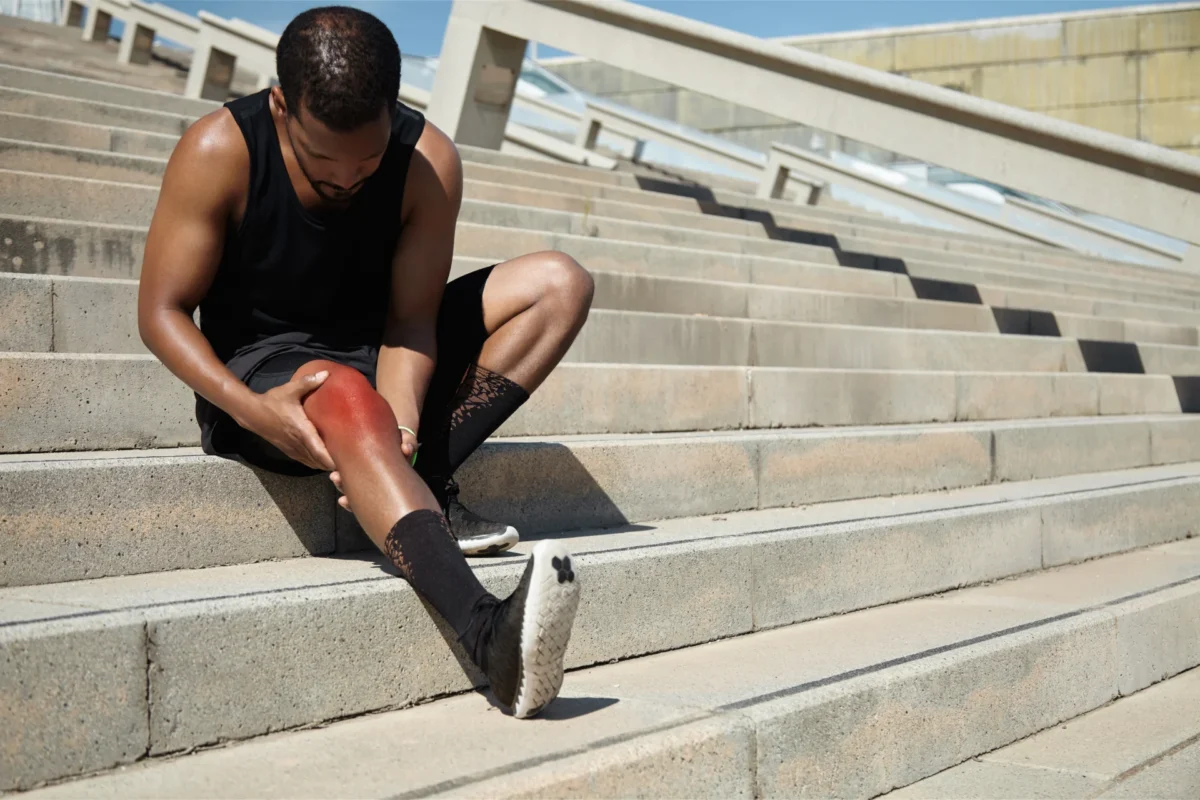
Walking on a flat surface may feel completely normal, yet climbing stairs can suddenly make your knees hurt. Knee pain while climbing stairs is common and can happen because stairs place greater demands on the knee joint and surrounding muscles.

Sometimes the discomfort is linked to muscle weakness, overuse, or irritation around the kneecap. In other cases, it may be associated with conditions such as patellofemoral pain syndrome, arthritis, tendon problems, cartilage damage, or a previous knee injury.

The good news is that occasional knee pain does not always mean there is serious joint damage. This complete guide explains where the pain occurs, when it starts, and whether other symptoms are present can help identify when home care may be reasonable and when you should see an orthopedic doctor.

Understanding Knee Pain While Climbing Stairs

Climbing stairs places significantly more pressure on the knee than walking on flat ground, which is why stairs may be one of the first activities to cause pain when there is a knee problem. Pain may occur while going up, down, or both, and its location can provide clues about the underlying cause.

Knee pain on stairs should not simply be ignored or managed by avoiding activities. The good news is that many causes are treatable, especially when identified and addressed early.

Why Knee Health Matters More Than You Realise

The knee is the largest joint in the body and supports your weight during everyday activities such as walking, standing, squatting, and climbing stairs.

When knee pain starts on stairs, people often change how they move or avoid some activities. While this may provide temporary relief, the underlying problem can continue and place extra strain on the joint and surrounding muscles.

Early evaluation and appropriate treatment can often help manage knee pain more effectively and prevent the condition from worsening.

5 Major Causes of Knee Pain While Climbing Stairs

Cause 1 — Patellofemoral Pain Syndrome (Runner’s Knee)

Patellofemoral pain syndrome (PFPS) is the most common cause of knee pain while climbing stairs — particularly in younger and middle-aged adults. It occurs when the kneecap (patella) does not track smoothly in its groove on the femur (thigh bone), creating friction and irritation on the cartilage underneath the kneecap.

Characteristic symptoms:

  • Dull aching pain at the front of the knee, directly behind or around the kneecap 
  • Pain that is worse when climbing or descending stairs, squatting, or sitting for long periods (the “movie sign”) 
  • A grinding or clicking sensation under the kneecap 
  • Pain that worsens gradually over weeks rather than suddenly

Why it hurts more on stairs: Stair climbing dramatically increases the compressive load on the patellofemoral joint — making it the activity that most reliably provokes PFPS pain.

Cause 2 — Knee Osteoarthritis

Knee osteoarthritis is the progressive wearing away of the protective cartilage within the knee joint — eventually leading to bone-on-bone contact, significant pain, and restricted mobility. It is the most common cause of stair-related knee pain in adults over 50.

Characteristic symptoms:

  • Pain felt inside the knee, below the kneecap, or across the entire joint 
  • Morning stiffness lasting 15-30 minutes 
  • Swelling and warmth around the knee after activity 
  • A grinding or crunching sensation (crepitus) with movement 
  • Pain that worsens progressively over months and years

Why it hurts more on stairs: The increased compressive load during stair climbing accelerates the friction between deteriorating joint surfaces — making stairs one of the first activities to become painful as arthritis progresses.

Cause 3 — Chondromalacia Patellae

Chondromalacia patellae refers to the softening and breakdown of the cartilage on the underside of the kneecap — a condition closely related to PFPS but more specifically describing the cartilage damage itself. It is particularly common in younger, active individuals and women.

Characteristic symptoms:

  • Pain directly behind the kneecap — worsened by stairs, squatting, and kneeling 
  • A rough, grinding sensation under the kneecap 
  • Swelling around the front of the knee after prolonged activity 
  • Pain after sitting with knees bent for extended periods

Why it hurts more on stairs: Stair climbing compresses the underside of the kneecap directly against the femur — precisely the location of the softened, damaged cartilage.

Cause 4 — Iliotibial Band (IT Band) Syndrome

The iliotibial band is a thick band of connective tissue running along the outer thigh from the hip to the outer knee. When the IT band becomes tight or inflamed, it creates pain on the outer side of the knee — a condition particularly common in runners, cyclists, and people who walk frequently on hills or stairs.

Characteristic symptoms:

  • Sharp or burning pain on the outer side of the knee 
  • Pain that is worse going downstairs more than upstairs 
  • No swelling or locking — purely movement-related pain 
  • Pain that starts after a predictable period of activity

Why it hurts more on stairs: The bending angle of the knee during stair descent is approximately the same angle at which the IT band snaps over the lateral femoral condyle — consistently provoking pain at this specific movement.

Cause 5 — Meniscus Tear

The menisci are two C-shaped cartilage pads within the knee joint that act as shock absorbers and help stabilise the joint. A torn meniscus — from a sudden twisting injury or gradual degeneration over time — produces pain that is characteristically worse on stairs, particularly when descending.

Characteristic symptoms:

  • Pain on the inside or outside of the knee (depending on which meniscus is torn) 
  • Swelling developing gradually over 24-48 hours after injury 
  • A catching, locking, or giving way sensation in the knee 
  • Difficulty fully straightening or bending the knee

Why it hurts more on stairs: Descending stairs compresses the posterior section of the meniscus — precisely where degenerative tears most commonly occur — making stair descent one of the most reliable provocateurs of meniscus-related knee pain.

Treatment Options for Knee Pain While Climbing Stairs

Treatment depends on the underlying cause — which is why a timely and accurate diagnosis is always the crucial first step. However, several treatment approaches are broadly effective across multiple causes of stair-related knee pain.

Non-Surgical Treatment

Physiotherapy and targeted exercise:

The most important non-surgical treatment for virtually every cause of knee pain on stairs. Specific goals include:

  • Strengthening quadriceps, hip abductors, and glutes — reducing the load on the knee joint during stair climbing 
  • Improving patellar tracking through VMO (vastus medialis oblique) strengthening 
  • Stretching the IT band, hamstrings, and calf muscles to reduce secondary tension on the knee

Weight management:

Every kilogram of excess body weight adds approximately 3- 4 kg of compressive force on the knee during stair climbing. Weight reduction — even 5-10% of body weight — produces meaningful reduction in knee pain severity for overweight and obese patients with any of the above conditions.

Activity modification:

Temporarily reducing high-impact stair use and provocative activities while treatment begins — without complete rest, which allows muscle deconditioning.

NSAIDs and anti-inflammatory medication:

Short-term use of non-steroidal anti-inflammatory drugs reduces pain and swelling — particularly useful in the acute phase of meniscus injury, osteoarthritis flare-up, or IT band syndrome.

Knee bracing and orthotics:

  • Patellar tracking braces help redirect patellar movement in PFPS 
  • Knee sleeves provide proprioceptive support and warmth for osteoarthritis 
  • Foot orthotics correct overpronation that contributes to patellar malalignment

Corticosteroid or hyaluronic acid injections:

For osteoarthritis, intra-articular injections provide targeted anti-inflammatory relief — particularly useful when physiotherapy alone is insufficient.

Surgical Treatment (When Required)

  • Arthroscopic surgery — meniscus repair or partial meniscectomy for significant tears 
  • Cartilage restoration procedures — for chondromalacia with focal cartilage defects 
  • Total or partial knee replacement — for severe osteoarthritis that has not responded to conservative management

Tips to Help Knee Pain While Climbing Stairs Today

While you arrange proper clinical assessment, these practical tips can reduce pain and protect the knee:

  • Use the handrail — reducing the load through the knee by transferring some weight to the arm reduces compressive force immediately 
  • Step one step at a time — rather than alternating legs on stairs, always lead with the stronger leg going up and the weaker leg going down (“up with the good, down with the bad”) 
  • Strengthen your quads at home — straight leg raises and seated leg extensions can begin immediately without equipment 
  • Apply ice after stairs — 15 minutes of ice on the knee after provocative activity reduces post-activity inflammation 
  • Wear supportive footwear — cushioned, supportive shoes reduce the ground reaction force transmitted to the knee 
  • Avoid sitting with knees deeply bent for prolonged periods — particularly relevant for PFPS and chondromalacia patients

When to See a Doctor for Knee Pain on Stairs

Most stair-related knee pain can be initially managed with physiotherapy and activity modification. However, some situations require prompt medical evaluation:

See a doctor within a few days if:

  • Knee pain on stairs began after a specific injury — a twist, fall, or collision 
  • The knee swelled significantly within 24-48 hours of an incident 
  • You experience locking — the knee gets stuck and cannot be fully straightened 
  • The knee feels like it will give way when descending stairs 
  • Pain is severe enough to significantly limit stair use in daily life

Seek same-day assessment if:

  • Acute severe swelling with warmth and redness — possible infection or gout 
  • Complete inability to bear weight on the leg after an injury 
  • Obvious deformity following trauma

Frequently Asked Questions

  1. How do I stop knee pain when climbing stairs?


    Strengthening the quadriceps and hip muscles through physiotherapy, using a handrail, applying ice after activity, and wearing supportive footwear may help. The underlying cause should be diagnosed for lasting relief.


  2. What vitamin deficiency causes knee pain?


    Vitamin D deficiency can contribute to bone and musculoskeletal pain. Other nutrients, such as vitamin C and K, also support bone and joint health. Blood tests can identify deficiencies when appropriate.


  3. How can I lubricate my knees naturally?


    Adequate hydration, omega-3-rich foods, and low-impact exercise such as swimming or cycling can support joint health. Glucosamine and chondroitin are also used, but evidence of their benefit varies.


  4. How can I repair my knees naturally?


    Cartilage has limited natural repair capacity. However, targeted physiotherapy can strengthen surrounding muscles, reduce joint load, and help manage pain. A balanced, anti-inflammatory diet may also support overall joint health.


  5. What foods can trigger knee pain?


    Refined sugar, highly processed foods, trans fats, and excess alcohol may worsen inflammation. Purine-rich foods can also trigger gout-related knee pain. A balanced diet with vegetables, fruits, omega-3s, and whole grains is generally recommended.

Conclusion

Knee pain while climbing stairs is not just an inconvenience — it is a signal from your joint that something needs attention. Whether the cause is early patellofemoral syndrome, degenerative osteoarthritis, a meniscus tear, or IT band tightness, the right diagnosis makes all the difference to the speed and completeness of your recovery. Most causes are very treatable — particularly when addressed before significant structural damage has occurred.

ICI Hospital — Best Multi-Speciality Hospital in South Delhi — provides expert orthopaedic evaluation for knee pain, including stair-related knee pain, with experienced specialists, modern diagnostic imaging, and both surgical and non-surgical treatment options under one roof.

Categories
Dental Orthopedic Urology

Meet Our Expert Doctors: Compassionate Care You Can Trust

When it comes to healthcare, choosing the right doctor is one of the most important decisions you’ll ever make. Behind every successful treatment is not just advanced technology, but an experienced medical professional who understands patients, listens carefully, and delivers care with precision and empathy.

At our hospital, we take pride in bringing together a team of highly qualified and experienced doctors across multiple specialties. Each of our specialists is committed to delivering world-class medical care while ensuring patient comfort, safety, and confidence at every step of the treatment journey.

A Team Built on Experience and Excellence

Our doctors come with strong academic backgrounds, years of hands-on clinical experience, and a passion for continuous learning. From complex cancer care to orthopaedics, gynaecological oncology, and internal medicine, our medical experts follow evidence-based practices and the latest global treatment protocols.

More importantly, they believe that healing is not just about treating a condition—it’s about caring for the person.

Why Patients Trust Our Doctors

  • Personalised Care: Every patient is unique, and so is their treatment plan.

  • Advanced Medical Practices: Our doctors use modern diagnostic tools and treatment methods.

  • Clear Communication: Patients are encouraged to ask questions and fully understand their care.

  • Compassion First: Emotional well-being is treated with the same importance as physical health.

Your Health, Our Priority

Healthcare works best when patients feel informed, confident, and supported. Our doctors are not just medical professionals—they are partners in your health journey. Whether you need a consultation, a second opinion, or long-term treatment, our team is here to guide you with expertise and care.

Book an appointment today and take the first step towards trusted, expert medical care.

+91 9205 144 155
EMERGENCY